For many travel photographers, the allure of iconic structures and historical monuments is undeniable. These best landmark photography spots offer photographers a chance to capture the essence of a destination. Moreover, they serve as visual anchors in our travel narratives. Chasing these grand structures can lead to incredible photographic opportunities. However, it requires more than just showing up with a camera. Understanding light, composition, and timing is paramount. This guide explores some of the world’s most rewarding locations for capturing unforgettable landmark images.

Iconic Skylines and Urban Vistas
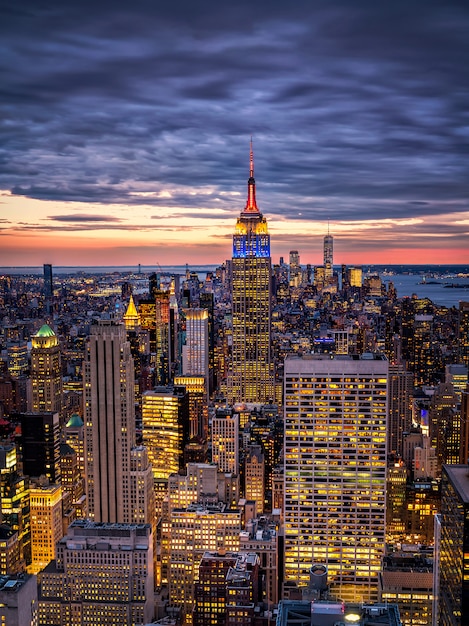
Cities often boast some of the most recognizable landmarks. These urban landscapes provide a dynamic backdrop for photography. Think of the Eiffel Tower in Paris, the Empire State Building in New York, or the Sydney Opera House. These structures are not just buildings; they are symbols of their cities. Capturing them at different times of day offers distinct moods. Golden hour before sunset or blue hour after dusk are particularly magical. Moreover, elevated viewpoints offer panoramic perspectives. These allow you to include the surrounding cityscape. Therefore, researching the best vantage points is crucial.
New York City, for instance, presents numerous opportunities. From Top of the Rock or the Empire State Building itself, the skyline unfolds. Furthermore, Brooklyn Bridge offers a classic perspective looking back at Manhattan. Similarly, Tokyo’s Shibuya Crossing, while not a single landmark, is an iconic urban scene. It exemplifies modern city life. Therefore, consider the context. How can you show the landmark in its environment? This adds depth to your photographs.
Ancient Wonders and Historical Grandeur
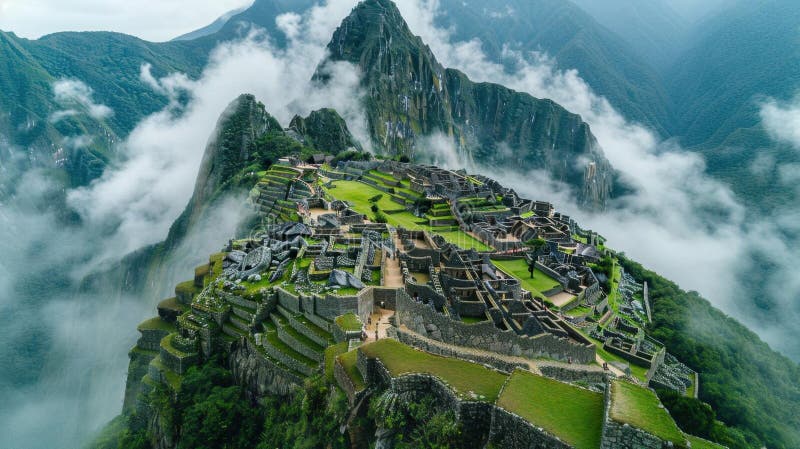
Travel photographers often seek out the remnants of ancient civilizations. These sites possess an unparalleled sense of history and mystery. The pyramids of Giza in Egypt, Machu Picchu in Peru, and the Colosseum in Rome are prime examples. These locations transport viewers back in time. Moreover, they showcase incredible feats of human engineering. The challenge here is often the crowds. Getting a shot without throngs of people requires patience and strategic planning. Early morning visits are often your best bet. This allows you to capture the site in softer light and with fewer distractions.
Furthermore, consider the scale. How can you convey the immense size of these structures? Including a person in the frame can help establish scale. Alternatively, focusing on intricate details can reveal the craftsmanship. The weathered stones of the Acropolis in Athens tell stories of millennia. Therefore, don’t just capture the wide shot. Explore the textures and patterns. These elements add a rich layer to your storytelling.
Natural Landmarks with Man-Made Accents
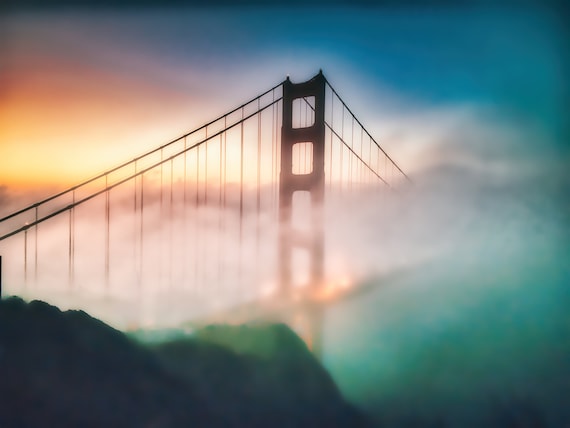
Some of the most breathtaking photography opportunities arise where nature meets human creation. Think of Christ the Redeemer overlooking Rio de Janeiro or the Golden Gate Bridge spanning the San Francisco Bay. These landmarks are often integrated into stunning natural landscapes. The juxtaposition creates powerful imagery. Moreover, the weather can play a significant role. Fog rolling in over the Golden Gate Bridge adds drama. Conversely, a clear day offers pristine views. Controlling your perspective is key. Try to include the surrounding mountains, water, or coastline in your shots.
Consider the different seasons. Autumn foliage around a historic castle can be spectacular. Similarly, winter snow can transform a familiar landmark into a completely new scene. Therefore, be prepared for varying conditions. Having a versatile gear setup is beneficial. Moreover, understanding the local climate will help you plan accordingly. These natural elements can elevate your landmark photography from good to extraordinary.
Religious and Spiritual Sites
Many of the world’s most revered landmarks are religious in nature. The Taj Mahal in India, Angkor Wat in Cambodia, and St. Peter’s Basilica in Vatican City are just a few. These sites often possess incredible architectural beauty. They also hold deep cultural and spiritual significance. Capturing their essence requires sensitivity and respect. Observe local customs and dress codes. Moreover, be mindful of designated photography areas. The symmetrical beauty of the Taj Mahal at sunrise is legendary. However, the intricate carvings of Angkor Wat at sunset are equally captivating.
Consider the spiritual atmosphere. Can you convey the sense of peace or reverence? This might involve capturing details of prayer or quiet contemplation. Moreover, the play of light on ornate domes and spires can be mesmerizing. Therefore, experiment with different focal lengths. Wide-angle lenses can capture the grandeur. Telephoto lenses can isolate stunning architectural details. Ultimately, these sites offer profound opportunities for meaningful travel photography.
Planning Your Landmark Photography Expedition
Successfully photographing landmarks involves meticulous planning. Research is your greatest tool. Study maps and identify the best angles. Moreover, check sunrise and sunset times. Weather forecasts are also essential. Consider the best time of day for light. Early mornings and late afternoons are often ideal. Furthermore, look for unique perspectives. Can you shoot from a boat? Is there a higher vantage point accessible? Embrace the local culture. Talk to locals; they often know the best hidden spots. Moreover, be patient. Sometimes the perfect shot requires waiting for the right light or the absence of crowds.
Your gear also matters. A sturdy tripod is invaluable for low-light conditions and sharp images. Moreover, consider a variety of lenses. A wide-angle lens is great for grand vistas. A telephoto lens helps isolate details. Don’t forget extra batteries and memory cards. Furthermore, understand your camera’s capabilities. Experiment with different settings. The goal is to capture the landmark’s spirit. Therefore, go beyond the postcard shot. Seek out what makes the location unique to you. This approach will undoubtedly lead to more compelling images.
In conclusion, the world is brimming with extraordinary landmarks waiting to be photographed. By understanding the unique qualities of each location and employing strategic photographic techniques, travel photographers can create truly memorable images. Whether you’re drawn to bustling cityscapes, ancient ruins, or natural wonders accented by human ingenuity, the best landmark photography spots offer endless inspiration. Always prioritize respectful exploration and creative vision. Happy shooting!