Welcome to Dublin, a city where history whispers from ancient stones and literary giants once roamed. This Dublin travel guide invites you to explore the heart of Ireland, immersing yourself in its rich cultural tapestry. Moreover, Dublin offers a unique blend of historical significance and modern vibrancy, making it an unforgettable destination. From its cobblestone streets to its world-renowned pubs, Dublin promises an adventure for every traveler. So, prepare to uncover the literary landmarks and historic streets that define this captivating city.
Tracing Literary Footsteps: Dublin’s Famous Writers
Dublin is synonymous with literature, having produced some of the world’s most celebrated writers. From Jonathan Swift, author of Gulliver’s Travels, to Oscar Wilde, the witty playwright and poet, the city’s literary heritage is profound. Furthermore, you can walk in the footsteps of these giants by visiting their former homes, pubs they frequented, and monuments erected in their honor. James Joyce, perhaps Dublin’s most famous literary son, is celebrated throughout the city. Therefore, you can delve into his world by visiting the James Joyce Centre and retracing Leopold Bloom’s steps from Ulysses. Moreover, the city’s dedication to its literary icons ensures that their legacy lives on.
Trinity College, home to the Book of Kells, also boasts a distinguished alumni list including Jonathan Swift, Bram Stoker and Samuel Beckett. Moreover, the college’s impressive library is a must-see for any book lover. You can almost feel the weight of literary history as you wander through its hallowed halls. Therefore, Dublin’s literary scene is not just a thing of the past; it continues to thrive with contemporary writers and vibrant literary events. Overall, this ensures that the city remains a beacon for literature enthusiasts worldwide.
Exploring Historic Streets: A Journey Through Time
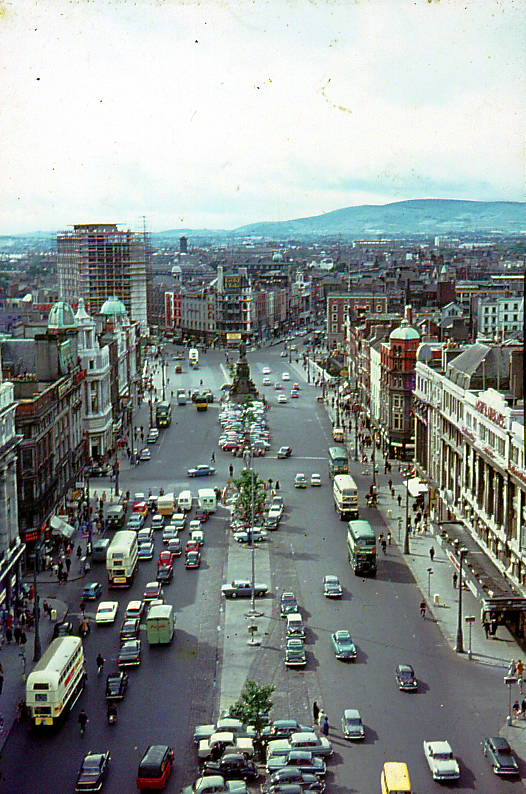
Beyond its literary acclaim, Dublin boasts a rich history reflected in its captivating architecture and historic streets. O’Connell Street, the city’s main thoroughfare, is steeped in history. It witnessed pivotal moments in Irish history, including the Easter Rising of 1916. Furthermore, the street is lined with grand buildings and monuments, offering a glimpse into Dublin’s past. For instance, the General Post Office (GPO), a key site during the Easter Rising, stands as a testament to Ireland’s struggle for independence.
Moreover, Grafton Street, a pedestrianized shopping street, is famous for its buskers and vibrant atmosphere. However, it’s not just about shopping; the street is also home to historical landmarks such as the statue of Molly Malone. Therefore, wandering through these streets is like taking a journey through time, each corner revealing a new story. For example, the narrow, cobbled lanes of Temple Bar, while known for its nightlife, also offer glimpses into Dublin’s medieval past. Overall, the historic streets of Dublin provide a fascinating backdrop to the city’s vibrant present.

Iconic Landmarks: Dublin’s Must-See Attractions
No Dublin travel guide would be complete without mentioning the city’s iconic landmarks. Dublin Castle, with its rich and varied history, is a must-see. It served as the seat of British power in Ireland for centuries. Furthermore, today, it hosts state events and offers guided tours that delve into its fascinating past. Moreover, Kilmainham Gaol, a former prison, is another significant landmark. It played a crucial role in Irish history, housing many of the leaders of the 1916 Easter Rising. Therefore, a visit to Kilmainham Gaol is a sobering but essential experience for understanding Ireland’s struggle for independence.
Moreover, St. Patrick’s Cathedral, one of Dublin’s most magnificent churches, stands as a testament to the city’s religious heritage. It was founded in 1191 and is the National Cathedral of the Church of Ireland. Furthermore, its stunning architecture and historical significance make it a must-visit. Guinness Storehouse is another unmissable attraction offering an interactive journey through the history of Ireland’s most famous stout. Therefore, from learning about the brewing process to enjoying panoramic views of the city from the Gravity Bar, the Guinness Storehouse is an experience to savor. Overall, these iconic landmarks offer a glimpse into Dublin’s rich history and cultural identity.
Pub Culture: The Heart of Dublin’s Social Scene
The pub is central to Dublin’s social life. They offer more than just a place to drink. They are spaces for conversation, music, and community. Furthermore, Dublin’s pubs range from traditional establishments with cozy snugs and live music to modern bars with craft beers and innovative cocktails. However, some notable pubs include The Brazen Head, Dublin’s oldest pub, dating back to 1198, and O’Donoghue’s, famous for its traditional Irish music sessions. Therefore, spending an evening in a Dublin pub is an essential part of the Dublin experience. Whether you’re enjoying a pint of Guinness, listening to traditional music, or chatting with locals, the pub culture embodies the spirit of Dublin.
Moreover, many pubs have literary connections, having been frequented by famous writers such as James Joyce and Brendan Behan. For example, Davy Byrne’s, featured in James Joyce’s Ulysses, is a popular spot for literary enthusiasts. Therefore, these pubs offer a unique glimpse into Dublin’s literary past. Overall, the pub culture is an integral part of Dublin’s identity, providing a warm and welcoming atmosphere for locals and visitors alike.
Hidden Gems: Uncovering Dublin’s Best-Kept Secrets
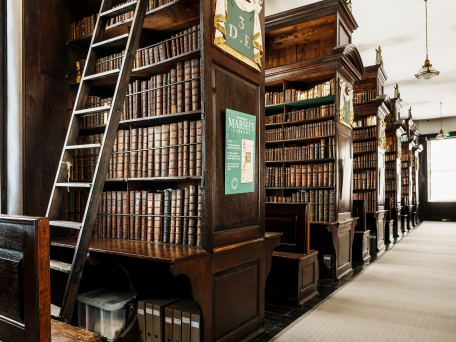
While Dublin’s main attractions are well worth visiting, the city also offers a wealth of hidden gems waiting to be discovered. Marsh’s Library, located next to St. Patrick’s Cathedral, is a beautiful 18th-century library with a fascinating collection of books and manuscripts. Furthermore, its tranquil atmosphere offers a peaceful escape from the bustling city. Moreover, The Little Museum of Dublin provides a quirky and engaging look at the city’s social and cultural history. It showcases artifacts donated by Dubliners themselves. Therefore, exploring these hidden gems allows you to delve deeper into Dublin’s unique character.
Additionally, Iveagh Gardens, often referred to as Dublin’s secret garden, is a beautiful Victorian park offering a peaceful oasis in the city center. However, these gardens offer a serene escape from the urban bustle. Therefore, venturing off the beaten path and exploring Dublin’s hidden gems can lead to unforgettable experiences. Overall, these lesser-known spots offer a unique perspective on Dublin’s rich cultural landscape.
In conclusion, a Dublin travel guide is your key to unlocking the magic of this vibrant city. From tracing the footsteps of literary giants to exploring historic streets and iconic landmarks, Dublin offers an unforgettable experience. Moreover, the city’s warm and welcoming atmosphere, coupled with its rich cultural heritage, makes it a must-visit destination. Therefore, whether you are a literature enthusiast, a history buff, or simply seeking a memorable travel experience, Dublin has something to offer everyone. So, pack your bags and prepare to be captivated by the charm and allure of Dublin.