Embarking on a new adventure should be exciting, not stressful. A key element to a successful trip is learning how to manage your travel budget wisely. Unexpected expenses can quickly derail even the best-laid plans. However, with a little foresight and strategic planning, you can enjoy your travels to the fullest while keeping your finances in check. This guide offers ten practical strategies to help you achieve just that.
Establish a Realistic Budget Before You Go
The foundation of any successful trip is a well-defined budget. Before you even book a flight or hotel, sit down and map out your expected expenses. Consider major costs like transportation and accommodation first. Then, factor in daily living expenses such as food, local transport, and activities. Don’t forget to include a buffer for unforeseen circumstances. A good rule of thumb is to add 10-15% for an emergency fund. This proactive step ensures you have a clear financial roadmap, allowing you to make informed decisions throughout your journey.
Track Every Dollar Spent
Once your trip begins, consistent expense tracking is paramount. Use a dedicated travel budgeting app or a simple spreadsheet on your smartphone. Regularly log every purchase, no matter how small. This habit provides real-time insights into where your money is going. You might be surprised by your spending patterns. Identifying these areas allows you to adjust your expenditures on the fly. For example, if you’re overspending on dining out, you can opt for more affordable local eateries or pack snacks for the day. This vigilance prevents budget overruns.

Be Flexible with Travel Dates and Destinations
When you manage your travel budget, flexibility is your greatest ally. Prices for flights and accommodation can fluctuate dramatically based on the season, day of the week, and even the time of day. Traveling during the shoulder season (the periods just before or after peak tourist season) often offers significant savings. Similarly, being open to different destinations can unlock cheaper options. Researching less popular but equally beautiful locations can lead to incredible experiences at a fraction of the cost. Consider mid-week travel for even further discounts.
Master the Art of Budget-Friendly Accommodation
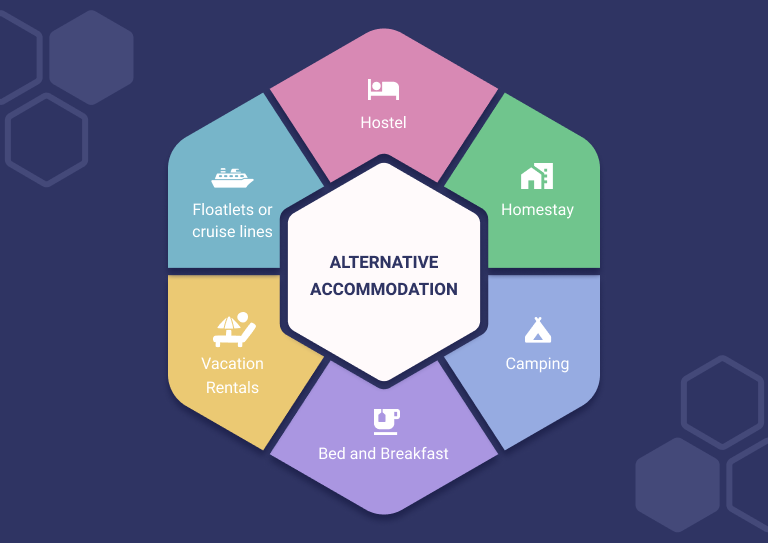
Accommodation is often one of the largest expenses. Explore a variety of options beyond traditional hotels. Hostels are excellent for solo travelers or those on a tight budget, offering both dorms and private rooms. Vacation rentals (like apartments or houses) can be cost-effective for families or groups, often including kitchen facilities that allow you to save on dining. Consider guesthouses or B&Bs for a more local experience and potentially lower prices. Always compare prices across different platforms and read reviews carefully to ensure quality and value.
Smart Strategies for Transportation Savings
Getting around doesn’t have to drain your funds. When booking flights, be diligent in comparing prices across multiple airlines and use flight comparison websites. Consider budget airlines, but be aware of any extra fees for baggage or seat selection. For shorter distances, explore trains or buses; these can be scenic and significantly cheaper than flying. Once at your destination, utilize public transportation whenever possible. Walking or renting a bicycle are also fantastic ways to explore a city while staying active and saving money.
Savor Local Flavors Without Overspending
Food is an integral part of any travel experience. To effectively manage your travel budget, embrace local culinary habits. Instead of relying solely on expensive tourist restaurants, seek out local markets and street food vendors. These offer authentic flavors at much lower prices. Buying groceries and preparing some of your own meals, especially if you have kitchen facilities, can lead to substantial savings. Pack reusable water bottles to avoid constant purchases of bottled water. Enjoying diverse cuisines doesn’t require a hefty price tag.

Leverage Free Activities and Attractions
Many destinations offer a wealth of free activities that can be just as enriching as paid attractions. Take advantage of free walking tours offered in many cities. Explore public parks, beaches, and natural landscapes. Visit free museums or art galleries on their designated free admission days. Simply wandering through charming neighborhoods and observing local life can be an incredibly rewarding experience. Research local event listings; you might stumble upon free concerts, festivals, or cultural events during your stay.
Plan for Souvenirs Thoughtfully
Souvenirs can be a lovely reminder of your travels, but they can also add up. Set a specific budget for souvenirs before you start shopping. Look for unique, locally made items rather than mass-produced trinkets. Consider practical souvenirs that you’ll actually use, like local spices, handcrafted soaps, or a nice piece of pottery. Sometimes, the best souvenir is a photograph or a cherished memory; prioritize experiences over material possessions. Moreover, avoid impulse buys at airport shops, which are notoriously overpriced.
Utilize Travel Rewards and Loyalty Programs
If you travel frequently, make the most of travel rewards credit cards and loyalty programs. Accumulating points or miles can lead to free flights, hotel stays, or upgrades, significantly reducing your travel costs over time. Always read the terms and conditions carefully and choose programs that align with your travel habits. Even if you’re not a frequent flyer, consider joining hotel loyalty programs. Moreover, some credit cards offer travel insurance or other perks that can save you money.
Embrace a Minimalist Packing Approach
Overpacking can lead to higher baggage fees and the temptation to buy items you already own. Pack light whenever possible. Choose versatile clothing items that can be mixed and matched. Check the weather forecast and pack accordingly. Remember that many destinations have laundry facilities, allowing you to wash clothes instead of packing an entire wardrobe. A minimalist approach not only saves money but also makes navigating airports and public transport much easier. Less is often more when it comes to managing your travel budget.
Mastering how to manage your travel budget empowers you to explore the world without financial strain. By implementing these ten smart strategies, you can transform your travel aspirations into achievable realities. Remember, the goal is to maximize your experiences while minimizing unnecessary expenditure. Happy travels!