Navigating the historical heart of Italy can be an exhilarating experience, and understanding how to tackle getting around Rome is key to unlocking its full potential. Rome, a city where ancient history meets vibrant modern life, offers a diverse public transportation network designed to whisk you between iconic landmarks and charming piazzas. However, like any major European capital, it also presents its own unique traffic challenges. This comprehensive guide will equip you with the knowledge to move seamlessly through the Eternal City, whether you’re a first-time visitor or a seasoned traveler. We will explore the most effective public transport options and provide practical tips for dealing with Roman traffic.
Understanding Rome’s Public Transport System
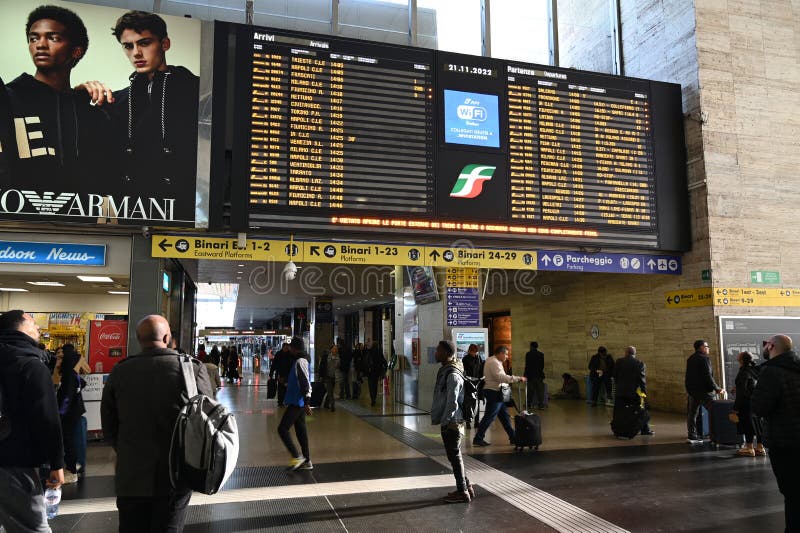
Rome’s public transport system is largely managed by ATAC (Agenzia per la Mobilità di Roma Capitale). It encompasses a variety of modes, offering flexibility for your travel needs. The primary options include buses, trams, the metro, and a regional light rail service. Buying tickets is straightforward, and they are generally valid across all these services. A single ticket allows for one journey on the metro or unlimited transfers on buses and trams within 100 minutes of validation. For longer stays, consider purchasing a daily, 3-day, or even a 7-day pass, which can offer significant savings and convenience.
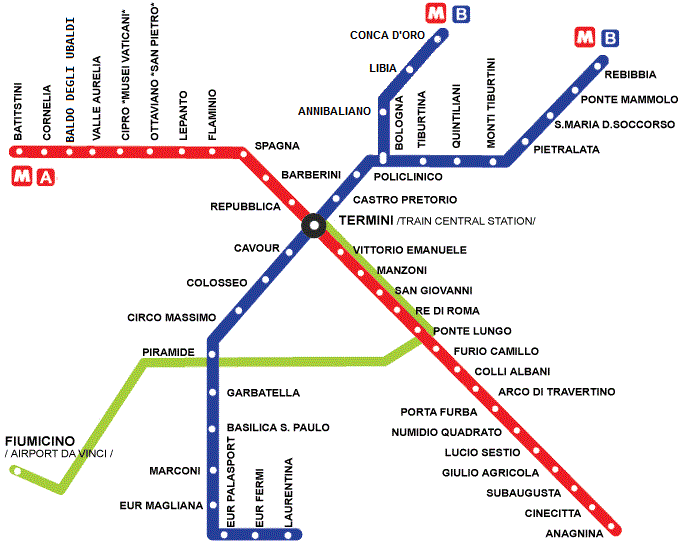
The metro system, while not as extensive as some other European capitals due to archaeological constraints, is incredibly efficient for covering longer distances quickly. It consists of three main lines: Line A (red), Line B (blue), and Line C (green). These lines intersect at key points, making it easy to connect to major attractions like the Colosseum, Vatican City, and Termini Station. Metro stations are well-marked and generally easy to navigate. Remember to validate your ticket before boarding, as inspectors do conduct random checks, and fines can be substantial.
Navigating Rome by Bus and Tram
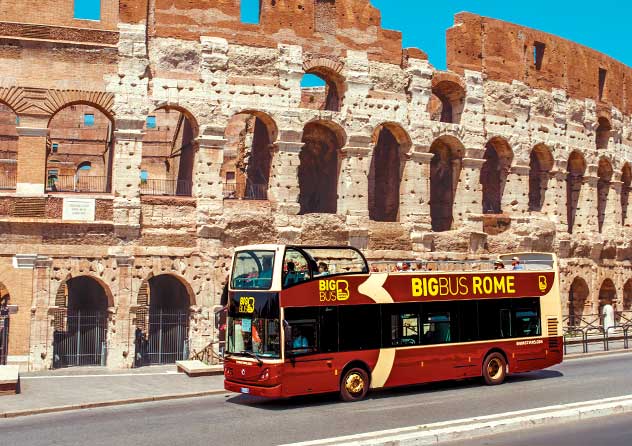
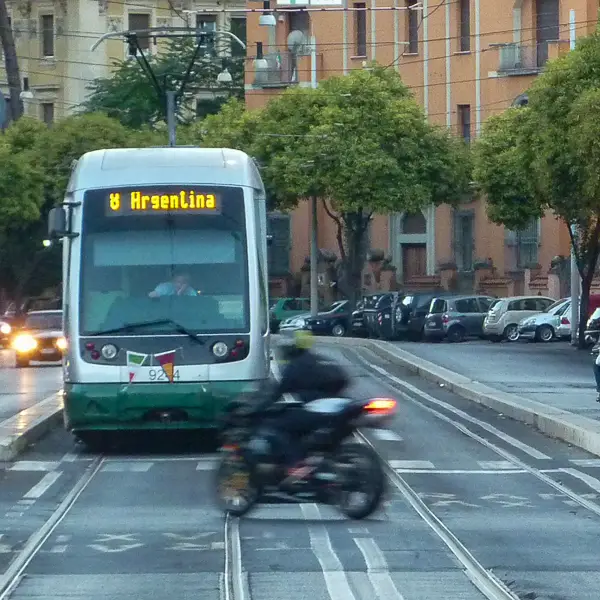
Rome’s extensive network of buses and trams is often the most direct way to reach specific neighborhoods or attractions not directly served by the metro. Buses are ubiquitous, reaching almost every corner of the city. Trams offer a more scenic and often less crowded experience, gliding through certain historic areas. However, buses can be subject to traffic delays, so it’s wise to factor in extra travel time, especially during peak hours.
To use these services, you’ll need to purchase tickets in advance from tabaccherie (tobacconists), newsstands, or ticket machines at metro stations. You cannot buy tickets directly from the driver on most buses. Once on board, it is crucial to validate your ticket in the small machines located inside the vehicle. Failure to do so can result in penalties. Many apps and online resources can help you plan your routes, providing real-time information on bus and tram arrivals. Google Maps is an excellent tool for this purpose.
Effective Strategies for Dealing with Roman Traffic
Rome is renowned for its lively traffic conditions. Navigating the city by car can be challenging due to narrow streets, limited parking, and a high volume of vehicles. For this reason, prioritizing public transport is often the smartest strategy. If you do need to use a taxi or rideshare service, be prepared for potential delays. Many taxi stands are conveniently located near major attractions and transport hubs. Using official apps like Free Now or IT Taxi can help you book a licensed taxi efficiently.
For those who prefer the freedom of their own wheels, consider that Rome has a Limited Traffic Zone (ZTL) in its historic center. These areas are restricted to authorized vehicles during specific hours, and unauthorized entry will result in hefty fines. Most hotels within the ZTL will have arrangements for their guests, but it’s essential to clarify this beforehand. Renting a scooter can be an appealing option for some, offering agility in traffic, but it requires confidence and awareness of local driving habits.
Ticketing and Travel Passes for Getting Around Rome
Understanding the ticketing system is fundamental for efficient travel. Rome offers several ticket options to suit different needs:
- BIT (Biglietto Integrato a Tempo): Valid for 100 minutes with one metro ride or unlimited bus/tram transfers. Costs around €1.50.
- ROMA 24H: A 24-hour pass. Costs approximately €7.00.
- ROMA 48H: A 48-hour pass. Costs around €12.50.
- ROMA 72H: A 72-hour pass. Costs about €18.00.
- CIS (Carta Integrata Settimanale): A weekly pass. Costs roughly €24.00.
These passes provide excellent value if you plan to use public transport frequently. Ensure you validate your ticket or pass upon first use. You can purchase tickets at metro stations, tabaccherie, and some newsstands. Avoid purchasing tickets from unofficial vendors, as they may be overpriced or invalid. For the most up-to-date information on fares and purchasing options, check the official ATAC website or use trusted travel apps.
Tips for a Smooth Travel Experience
When getting around Rome, a few extra tips can enhance your journey. Always have your ticket ready when boarding any form of public transport. Be aware of your surroundings, especially in crowded areas, and keep your valuables secure. Travel during off-peak hours whenever possible to avoid the densest crowds and potential delays. The metro is generally the most reliable option for predictable travel times.
Walking is also an excellent way to explore Rome’s charm. Many of the city’s most famous sights are within walking distance of each other, allowing you to discover hidden gems along the way. Comfortable shoes are a must! Consider downloading offline maps of Rome to your smartphone, which can be a lifesaver when you don’t have reliable data access. Familiarize yourself with the general layout of the city; understanding which side of the Tiber River your destinations are on can be helpful.
Furthermore, Rome’s public transport runs from approximately 5:30 AM to midnight on most days, with some night bus services operating later. Be mindful of these schedules, especially if you plan to be out late. If you’re arriving at Fiumicino Airport (FCO), the Leonardo Express train offers a direct and efficient connection to Termini Station. However, other regional trains and bus services are also available at a lower cost.

In conclusion, getting around Rome is an achievable and even enjoyable part of your visit when you employ smart strategies. By understanding the nuances of its public transport network, including the metro, buses, and trams, and by being prepared for the city’s traffic, you can navigate Rome with confidence and ease. Investing in a suitable travel pass and remaining aware of your surroundings will ensure your journeys are smooth and efficient, allowing you to focus on soaking in the unparalleled beauty and history of the Eternal City. Happy travels!