Athens, the heart of ancient Greece, beckons travelers with its rich history and stunning archaeological sites. If you’re seeking to truly experience ancient Greek civilization, then exploring the historical places in Athens is an absolute must. From iconic landmarks to hidden gems, the city offers a captivating journey through time. Therefore, prepare to be amazed as we delve into some of the most significant sites that bring ancient Greece to life.
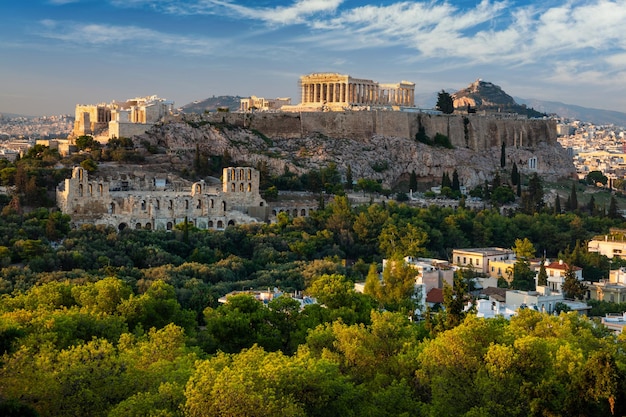
First on our list has to be the Acropolis.
The Acropolis: A Symbol of Ancient Glory
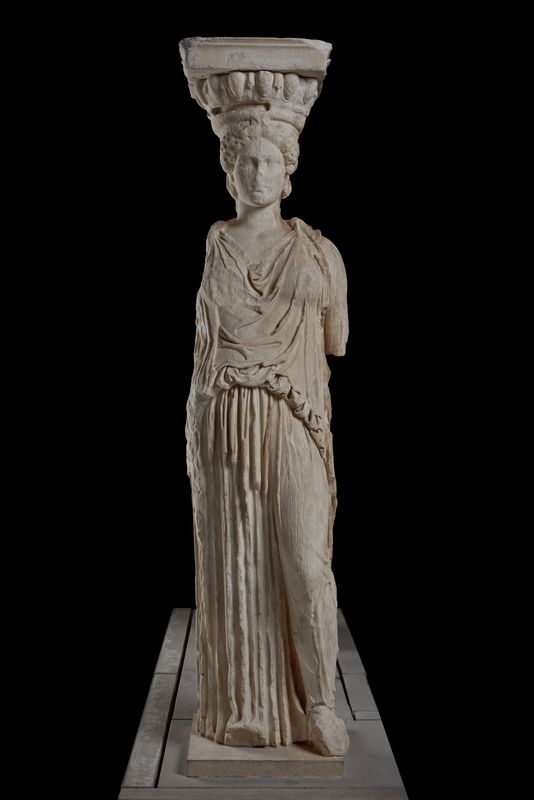
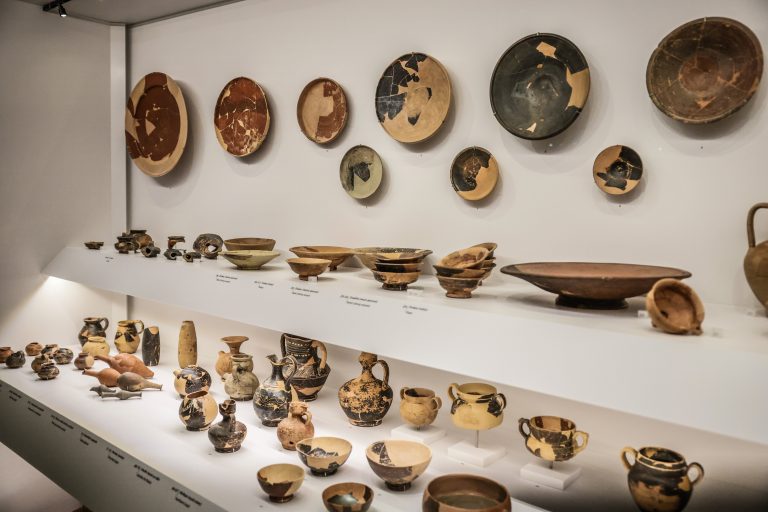
No trip to Athens is complete without visiting the Acropolis. This ancient citadel, perched high above the city, is home to some of the most iconic structures in the world. The Parthenon, a temple dedicated to the goddess Athena, is the undisputed centerpiece, its majestic columns and intricate sculptures a testament to ancient Greek architectural prowess. Construction began in 447 BC, and its enduring presence speaks volumes about the civilization that created it. Moreover, beyond the Parthenon, you’ll discover the Erechtheion, known for its elegant Caryatids (sculpted female figures serving as columns), and the Temple of Athena Nike, a graceful monument commemorating victory. Furthermore, a visit to the Acropolis Museum at the base of the hill will provide invaluable context to the artifacts uncovered during excavations. Therefore, allow ample time to wander through this incredible complex and soak in the breathtaking views of Athens.
Exploring the Ancient Agora: The Heart of Athenian Life
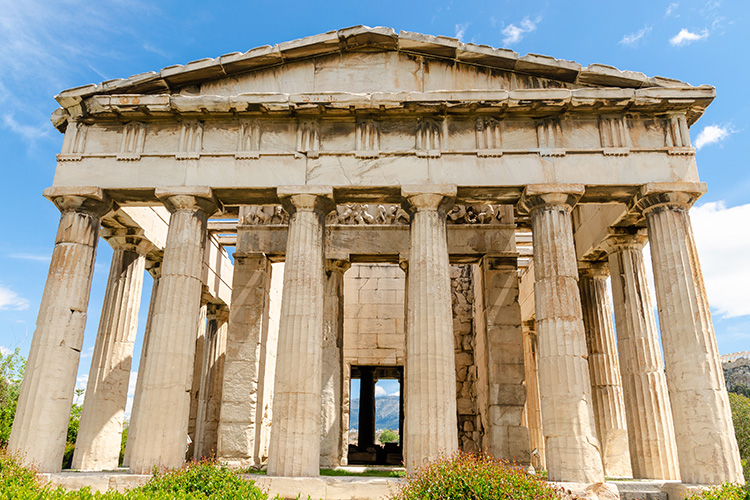
The Ancient Agora served as the center of Athenian public life. It was the place for political debates, philosophical discussions, commercial activity, and social gatherings. Imagine bustling marketplaces, lively discussions among citizens, and the echoes of famous philosophers like Socrates and Plato. Today, visitors can explore the ruins of temples, civic buildings, and stoas (covered walkways) that once lined the Agora. The Temple of Hephaestus, one of the best-preserved ancient Greek temples, stands proudly within the Agora, offering a glimpse into the religious practices of the time. Furthermore, the Stoa of Attalos, reconstructed in the 1950s, houses the Agora Museum, displaying a fascinating collection of artifacts unearthed during excavations. Therefore, allow yourself to get lost in the atmosphere of this once-thriving hub and envision the daily life of ancient Athenians.
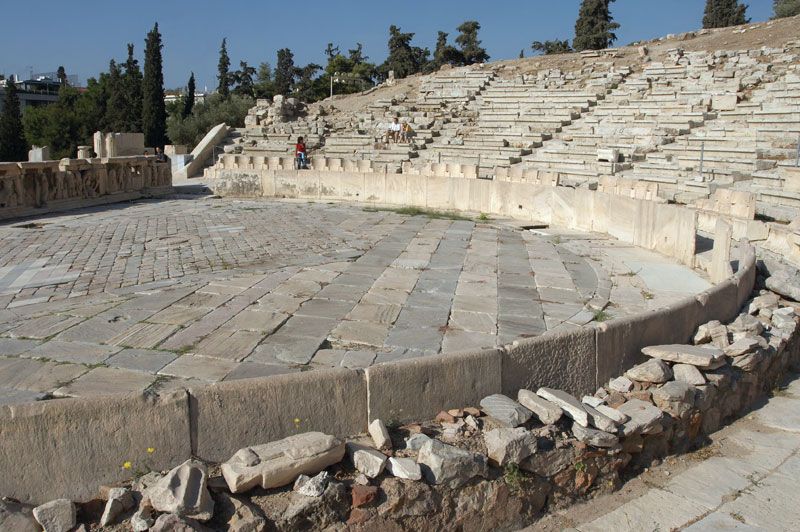
Moreover, just south of the Acropolis, you can find the theatre of Dionysus.
Theatre of Dionysus: Where Drama Unfolded
For theatre enthusiasts, the Theatre of Dionysus is a must-see. It is considered the birthplace of Greek tragedy. This ancient amphitheater, carved into the slopes of the Acropolis, once hosted performances of plays by legendary playwrights such as Sophocles, Euripides, and Aeschylus. Imagine the open-air setting, the enthusiastic audiences, and the powerful emotions evoked by the dramatic performances. Originally built in the 6th century BC, the theatre underwent several renovations over the centuries, expanding to accommodate thousands of spectators. While much of the original structure is now in ruins, the remaining remnants still convey the grandeur and importance of this historical site. Therefore, take a seat on the ancient stone benches and let your imagination transport you back to the golden age of Greek drama.
Visiting these historical places in Athens can take you back in time.
The Roman Agora: A Later Addition to the Cityscape
While the Ancient Agora represents the heart of classical Athenian life, the Roman Agora offers a glimpse into a later period of the city’s history. Built during the Roman era, this marketplace reflects the influence of Roman culture and architecture on Athens. The Tower of the Winds, an octagonal structure that served as a weather vane, clock, and sundial, is the most prominent feature of the Roman Agora. Moreover, its intricate reliefs depicting the eight wind deities are a testament to the advanced engineering and artistic skills of the time. Therefore, although smaller than the Ancient Agora, the Roman Agora provides a valuable perspective on the evolving history of Athens and its interactions with different cultures.
The Panathenaic Stadium: Home of the First Modern Olympics
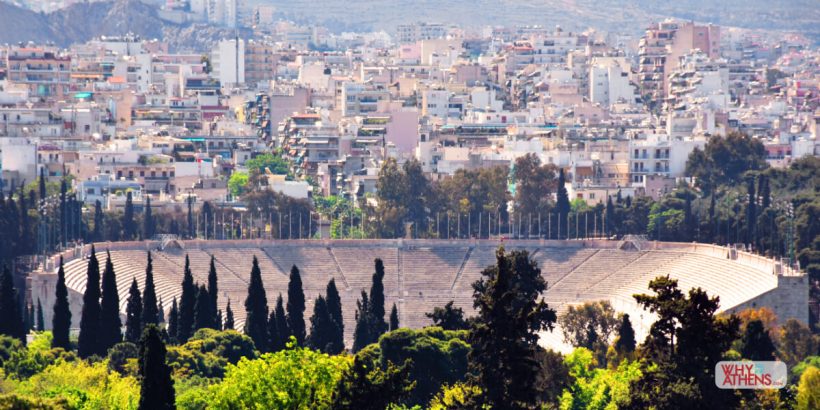
Stepping away from the purely ancient Greek sites, the Panathenaic Stadium offers a connection to both ancient and modern history. Originally built in the 4th century BC for the Panathenaic Games, a religious and athletic festival held in honor of Athena, it was reconstructed in marble in the 19th century. In 1896, it hosted the first modern Olympic Games, marking a significant moment in the revival of the Olympic tradition. Visitors can explore the stadium, run on the track, and imagine the excitement of the athletes and spectators who gathered here centuries ago. Furthermore, the Panathenaic Stadium stands as a symbol of the enduring legacy of ancient Greece and its influence on the modern world. Consider taking a tour to learn more about its fascinating past and its role in the Olympic movement.
Exploring these key landmarks provides a foundation for understanding Athenian history. However, there are countless other significant historical places in Athens to discover.
Exploring the historical places in Athens provides an unforgettable journey into the heart of ancient Greece. From the iconic Acropolis to the bustling Agora and the dramatic Theatre of Dionysus, each site offers a unique glimpse into the lives, beliefs, and achievements of the ancient Athenians. So, allow yourself ample time to explore these remarkable landmarks, delve into their rich history, and immerse yourself in the captivating atmosphere of this ancient city. To further enhance your experience, consider visiting the National Archaeological Museum of Athens, which houses a vast collection of artifacts from ancient Greece. Therefore, with its wealth of historical treasures, Athens promises an enriching and inspiring adventure for every traveler.